
Choosing the right wall shade can transform the atmosphere of a room, making it feel brighter, warmer, larger, or more inviting. Beige color wall paint is a versatile choice for homeowners who want a sophisticated background that works well with different furniture styles and decorative elements. Its soft and neutral character makes it suitable for bedrooms, living rooms, dining spaces, hallways, and other areas of the home. Unlike stronger shades that can dominate a space, beige creates a balanced appearance while still adding warmth and personality. It can also complement natural materials such as wood, stone, cotton, and rattan, making it a practical option for both contemporary and traditional interiors.
Why Choose Beige for Your Walls?
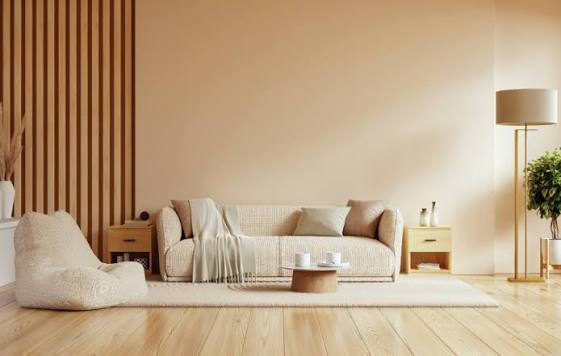
Beige is often associated with warmth, comfort, and simplicity. It sits between very light neutral shades and deeper earthy tones, allowing it to work with a wide variety of interior themes. It can make a room feel calm without appearing dull, especially when combined with carefully selected furniture and accessories.
Another benefit is its flexibility. Beige can be paired with white for a clean appearance, brown for a natural look, black for contrast, or green for a fresh atmosphere. Depending on lighting conditions and surrounding colours, the same shade can create different visual impressions throughout the day.
Create a Warm and Welcoming Living Room
The living room is one of the best places to experiment with neutral wall colours. Beige walls can provide a soft foundation for sofas, curtains, rugs, artwork, and decorative pieces. If your furniture features wooden finishes, earthy beige tones can enhance the natural character of the room.
For a modern living room, consider combining beige walls with simple furniture, subtle metallic accents, and neutral fabrics. If you prefer a traditional appearance, wooden furniture, patterned cushions, and warm lighting can add depth and character.
Using different textures is also helpful. A textured rug, wooden coffee table, woven accessories, or soft curtains can prevent a neutral room from appearing flat.
Beige for a Relaxing Bedroom
Bedrooms should feel peaceful and comfortable, and neutral shades are particularly suitable for creating this atmosphere. A soft beige backdrop can provide a relaxing environment without making the room feel overly plain.
Pair the walls with cream, off-white, light brown, or muted green bedding for a coordinated appearance. Wooden furniture can add warmth, while white wardrobes or bedside tables can create a lighter visual balance.
Lighting is important in a beige bedroom. Warm white lighting can make the walls appear cosy in the evening, while natural daylight can highlight the subtle undertones of the shade during the day.
Pair Beige With Other Colours
One of the strongest advantages of beige is its ability to work with many colours. The right combination can completely change the personality of a room.
Beige and White
Beige and white create a clean, airy, and elegant combination. White ceilings, doors, trims, and furniture can provide contrast while allowing beige walls to remain the main neutral element.
Beige and Brown
Brown and beige form a naturally warm combination. This pairing works especially well with wooden furniture, leather seating, wooden flooring, and earthy decorative accessories.
Beige and Green
For a fresh and nature-inspired interior, combine beige with muted or earthy green. Plants, green cushions, curtains, or artwork can introduce a refreshing touch without overwhelming the neutral foundation.
Beige and Black
Black can add definition to a beige interior. Consider using black in lighting fixtures, furniture legs, picture frames, handles, or decorative objects. The contrast creates a contemporary and sophisticated appearance.
Choosing the Right Beige Shade
Not every beige shade produces the same effect. Some beige colours have warm yellow or brown undertones, while others appear closer to cream or grey. The ideal selection depends on the room's lighting, flooring, furniture, and overall design.
For rooms with limited natural light, a lighter beige can help maintain an open and bright appearance. Larger rooms with plenty of sunlight can accommodate deeper beige shades without feeling too heavy.
Before painting the entire room, test the selected shade on a small section of the wall. Observe it at different times of the day because natural and artificial lighting can change how the colour appears.
How to Use Beige in Different Rooms?
Living Room
Use beige as the primary wall shade and introduce contrast through furniture, curtains, artwork, and rugs. Natural wood and neutral fabrics can create a welcoming environment.
Bedroom
Combine beige with soft textiles and warm lighting to create a restful space. Cream, white, brown, and muted green accessories can complement the overall look.
Dining Room
Beige can provide an elegant backdrop for dining furniture. Pair it with wooden chairs, warm pendant lights, and subtle decorative elements for a comfortable dining atmosphere.
Hallways
A light beige shade can make narrow hallways feel brighter and more connected with adjoining rooms. It can also create a smooth transition between different colour schemes.
Home Office
For a calm and focused workspace, beige can be paired with white furniture, wooden shelves, and green plants. The neutral environment can provide visual comfort during long working hours.
Tips for Getting the Best Results
Before finalising your wall colour, consider the following points:
- Check the shade under both natural and artificial lighting.
- Consider the colour of your flooring before selecting the final shade.
- Match curtains and upholstery with the undertones of the wall colour.
- Use contrasting accessories to prevent the room from looking monotonous.
- Keep ceilings lighter when you want to create a sense of height.
- Add natural materials such as wood, jute, cotton, or stone for visual warmth.
- Test a sample before applying paint across the entire wall.
- Consider the size and purpose of the room when choosing between lighter and deeper beige tones.
Using Beige for a Timeless Interior
Interior trends change frequently, but neutral wall colours can remain relevant for many years. Beige offers enough versatility to adapt when furniture, artwork, curtains, or decorative accessories are changed.
For homeowners planning a long-lasting interior, beige color wall paint can act as a dependable foundation. You can refresh the appearance of a room simply by changing soft furnishings and decorative pieces rather than repainting the walls every time your preferences change.
For additional colour inspiration and shade ideas, explore the beige colour palette offered by jkmaxx paints and consider how different beige tones may work with your existing interior elements.
Conclusion
A well-selected neutral wall colour can bring warmth, balance, and elegance to almost any interior. beige color wall paint is especially useful because it can adapt to modern, traditional, minimalist, and natural-inspired spaces. From living rooms and bedrooms to dining areas and home offices, it provides a flexible foundation for different design ideas. By considering lighting, furniture, flooring, room size, and complementary colours, you can create a comfortable and visually balanced home that remains stylish over time.