
Choosing paint colours for a home involves several decisions. Interior walls need shades that suit the purpose of each room, while exterior walls need colours that work with the building's architecture and surroundings.
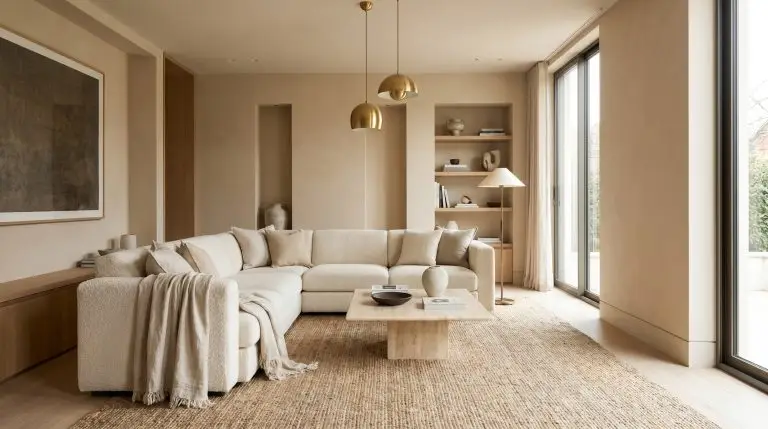
The best paint for home interiors is not necessarily the same as the best choice for the outside walls. Lighting, surface conditions, weather exposure, furniture, and personal preferences all influence the final selection.
How to Choose the Best Paint for Home Interiors
Consider the Purpose of Each Room
Different rooms serve different purposes, so their colour schemes can vary.
Living room: Beige, ivory, and taupe can create a warm and welcoming background.
Bedroom: Mint green, lilac, and powder blue can create a softer appearance.
Kitchen: Yellow with mint green or blue with white can create a fresh combination.
Dining room: Teal, burgundy, purple, and grey can add depth.
Bathroom: Turquoise, blue, and white can create a clean-looking palette.
Home office: Brown, off-white, mauve, and light grey can create a balanced setting.
These are starting points rather than fixed rules. The final shade should work with the room's furniture, lighting, and size.
Think About Colour Psychology
Colours can influence how a space feels. Warm shades are often associated with comfort and energy, while softer blues and greens are commonly used to create a calm appearance.
However, the effect of a colour is personal. Think about how you want to use the room and choose a shade that feels comfortable for everyday life.
Best Exterior House Colors for Indian Homes
Exterior walls are exposed to sunlight, dust, rain, and humidity. The colour should suit the architecture and surroundings, while the selected paint should be suitable for exterior use.
Warm White and Cream
These shades create a simple and light exterior. They can be paired with brown, charcoal, or terracotta details.
Beige and Sandy Brown
Beige and sandy brown can complement stone, wood, and earthy architectural elements. They are useful options for homeowners who prefer a natural-looking exterior.
Light Grey and Charcoal
Light grey can create a contemporary appearance, while charcoal can be used for window frames, boundary walls, or selected architectural sections.
Muted Green and Blue
Muted green and blue can introduce colour without making the entire façade too bright. Consider the surrounding landscape and neighbouring buildings before choosing a stronger shade.
How to Select the Best Colour for House Exteriors
Start with the largest wall area and choose a main colour. Then select one accent shade for the plinth, entrance, balcony, or window details.
Consider the roof, gates, flooring, and boundary wall as part of the same colour scheme. Testing a sample outdoors is important because sunlight can make a shade appear different from how it looks indoors.
Interior and Exterior Paint Are Not the Same
Interior and exterior paints are designed for different conditions. Interior walls may need a finish that suits regular cleaning and everyday use. Exterior walls need a coating intended for outdoor exposure.
Before buying paint, check the product's stated application areas, finish, preparation requirements, and other technical details. Do not select a product based on colour alone.
Common Colour Selection Mistakes
Avoid using the same strong shade across every room without considering its purpose. Do not choose exterior colours from indoor samples alone. Also, remember that digital images may not show the exact appearance of a shade.
Conclusion
The best exterior house colors and the best paint for home interiors depend on the building, room function, lighting, and personal preference. Warm neutrals, soft pastels, earthy shades, and selected deeper colours can all work when planned carefully.
Choose interior and exterior paint according to the surface and conditions, and test colours before finalising them. A coordinated approach can help create a home that feels connected inside and out.