
Black and white is a timeless colour combination that continues to work beautifully across modern, classic, and minimalist interiors. When used thoughtfully, black white wall paint can create a balanced visual effect, add depth to a room, and make ordinary walls look more sophisticated. The contrast between these two shades gives homeowners plenty of flexibility to create statement walls, elegant interiors, or simple contemporary spaces.
Whether you are refreshing a bedroom, living room, dining area, hallway, or home office, black and white can be adapted to suit different interior styles. The key is to choose the right balance between the two colours and consider factors such as natural light, furniture, room size, and existing décor.
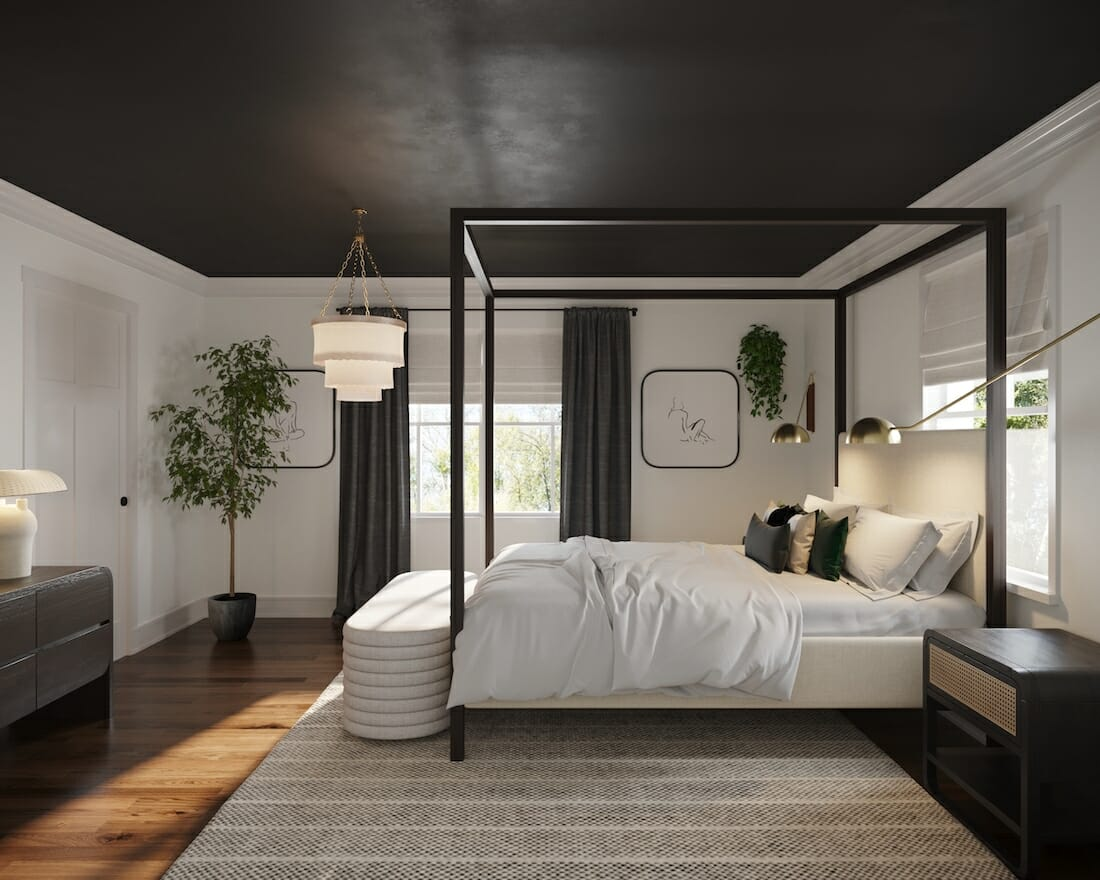
Why Choose Black and White for Your Walls?
Black and white create a strong contrast that can instantly define the character of an interior. White helps create a bright and open appearance, while black introduces depth and visual interest. Together, they can make a space feel structured without relying on complicated decorative elements.
White walls can reflect natural and artificial light, helping smaller spaces feel more open. Black, when used selectively, can add sophistication and create a focal point. This makes the combination particularly useful for homeowners who want a modern interior without using too many colours.
Another advantage is versatility. Black and white walls can complement wooden furniture, metallic accents, colourful artwork, neutral furnishings, and minimalist décor.
How to Use Black White Wall Paint Effectively
The way black and white are distributed across a room can significantly affect the overall appearance. Instead of painting every wall equally, consider how each colour will interact with the room's size, lighting, and furniture.
1. Create a Black Accent Wall
One of the simplest approaches is to keep most walls white and introduce black on one feature wall. This technique works especially well behind a television unit, bed, sofa, or study desk.
A black accent wall can become the focal point of the room while the surrounding white walls maintain brightness. It is particularly effective when paired with light-coloured furniture and warm lighting.
2. Use White as the Dominant Colour
If you have a smaller room, using white as the dominant wall colour can help maintain a spacious appearance. Black can then be introduced through a single wall, geometric design, borders, or selected decorative sections.
This approach provides the visual impact of black without making the entire room feel too dark.
3. Try Geometric Wall Designs
Black and white are excellent choices for geometric wall patterns. Horizontal lines, vertical blocks, squares, arches, and other simple shapes can add personality to plain walls.
Geometric designs are especially suitable for contemporary bedrooms, children's study areas, home offices, and entertainment spaces. Keep the pattern relatively simple so that the wall remains visually balanced.
4. Combine Black Walls with Light Furniture
If you want to use more black on your walls, consider balancing it with lighter furniture and accessories. White, cream, beige, light wood, and soft grey furnishings can prevent the room from appearing visually heavy.
The same principle works in reverse. White walls can be complemented with black furniture, frames, lamps, shelves, or other décor elements.
Black and White Ideas for Different Rooms
Different rooms can benefit from different approaches to this colour combination.
Living Room
A black feature wall behind the television or sofa can create a sophisticated focal point. Keep the remaining walls white and introduce neutral furniture to maintain balance. Wooden elements can also soften the contrast and add warmth.
Bedroom
For a bedroom, consider using black behind the headboard while keeping the other walls white. Soft lighting, neutral bedding, and wooden furniture can create a comfortable and contemporary atmosphere.
Home Office
Black and white can give a home office a clean, organised appearance. White walls can keep the workspace bright, while black can be used behind a desk or bookshelf to create definition.
Dining Area
A black accent wall can give a dining space a more refined appearance. Pair it with a light dining table, warm lighting, and simple wall décor for a balanced look.
Hallway
Hallways often benefit from lighter wall colours because they may receive less natural light. White can be used as the primary shade, while black can be introduced through narrow sections, patterns, or decorative accents.
Choosing the Right Finish
The paint finish is another important consideration when planning black and white walls. Matte finishes can provide a sophisticated, understated appearance and work particularly well for feature walls.
A smoother finish may be suitable when you want walls to have a cleaner, more polished appearance. For frequently used areas, consider a finish that is easy to maintain and appropriate for the specific surface.
Before selecting the final finish, assess the room's lighting and the condition of the wall. A sample application can help you understand how the colours appear during different times of the day.
Black and White Wall Paint with Other Colours
Although black and white can work independently, adding a third colour can create another layer of visual interest. Natural wood tones can make the combination feel warmer, while metallic accents can create a contemporary appearance.
Soft green, muted blue, beige, terracotta, or warm grey can also work as supporting colours. However, the additional shade should complement the existing palette rather than competing with the strong black-and-white contrast.
For example, a white wall with black accents and natural wooden furniture can create a warm minimalist interior. Similarly, black and white combined with muted green décor can introduce a subtle connection with nature.
Tips for Getting the Balance Right
When planning black white wall paint, balance is more important than simply choosing two contrasting shades. Consider these practical tips:
- Use white more extensively in smaller or poorly lit rooms.
- Reserve black for accent walls or architectural features when you want a lighter appearance.
- Consider natural light before selecting the amount of black.
- Use light-coloured furniture to balance darker walls.
- Add wooden or neutral elements to soften strong contrast.
- Test paint samples before applying colour to an entire wall.
- Coordinate wall colours with flooring, curtains, furniture, and lighting.
- Avoid adding too many competing colours to the same room.
Is Black and White Wall Paint Suitable for Modern Homes?
Yes, black and white can suit a wide range of modern interiors. The combination works particularly well with minimalist furniture, clean architectural lines, contemporary lighting, and simple décor.
For Indian homes, the palette can also be adapted to different room sizes and interior styles. A predominantly white room with carefully placed black accents can provide a modern appearance while maintaining brightness. Larger rooms with sufficient natural light can accommodate stronger black elements.
Products from established paint brands, including JK Maxx Paints, can be considered based on the required finish, surface, room type, and application needs.
Final Thoughts
Black and white offer a flexible foundation for creating stylish and contemporary interiors. Whether you choose a single black accent wall, geometric patterns, or a predominantly white palette with black details, the combination can add character without making the design overly complicated.
The most important factor is achieving the right balance. Consider the size of the room, natural lighting, furniture, wall condition, and desired atmosphere before finalising your colours. With thoughtful planning, black white wall paint can transform a simple interior into a distinctive and visually balanced space.