
Introduction
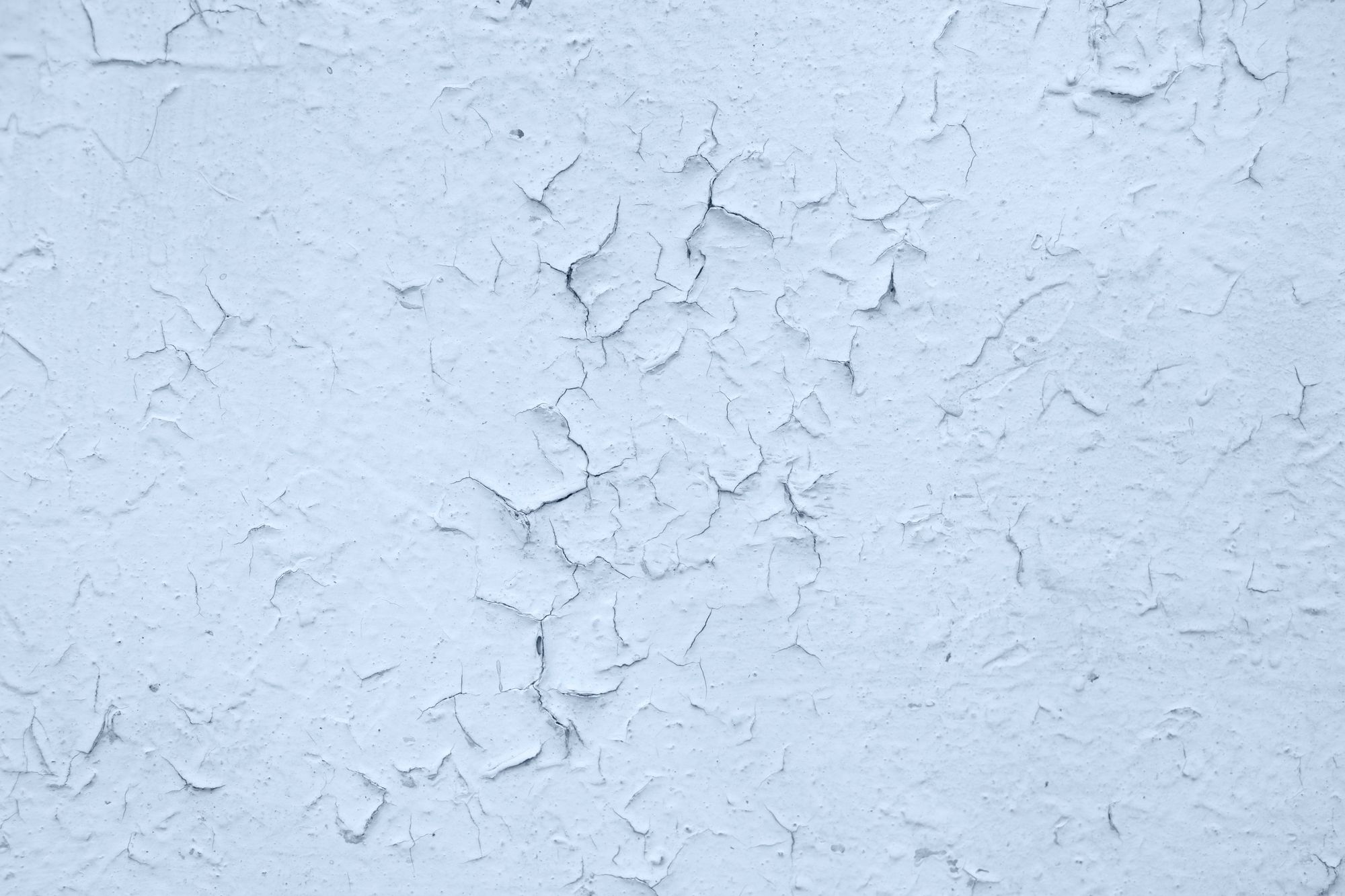
Exterior walls are constantly exposed to sunlight, rain, dust, and temperature changes. Over time these conditions can lead to small cracks that slowly weaken the surface and affect the appearance of the building. If these cracks are ignored, moisture can enter the walls and cause further damage.
Using a crack filler for exterior walls is one of the most effective ways to repair these gaps and protect the surface before repainting. It helps restore the strength of the wall and prepares it for a smooth paint finish.
Why Cracks Appear on Exterior Walls
Cracks are common in both new and old buildings. Several factors contribute to their formation.
Weather exposure: Heat and rain cause expansion and contraction in wall surfaces.
Structural movement: Buildings naturally settle over time which may create hairline cracks.
Poor surface preparation: If walls are not properly primed or prepared, cracks may appear sooner.
Moisture penetration: Water seepage weakens plaster and leads to visible cracks.
Repairing these cracks early with a crack filler for exterior walls helps prevent further deterioration.
Importance of Using a Crack Filler Before Painting
Many people apply paint directly over cracked surfaces. This may temporarily hide the problem, but the cracks often reappear after a short period. Proper wall preparation is essential for long lasting results.
Key benefits include:
Improved surface strength
Better paint adhesion
Prevention of moisture entry
Smooth and even wall finish
A high quality crack filler for exterior walls ensures the repaired surface blends well with the rest of the wall and supports a durable paint layer.
Types of Cracks That Can Be Repaired
Not all cracks are the same. Identifying the type of crack helps determine the right repair method.
Hairline Cracks
These are very thin cracks usually caused by minor shrinkage of plaster or paint layers. They are easy to repair and require minimal filling.
Shrinkage Cracks
Shrinkage cracks occur when plaster dries too quickly or unevenly. They are slightly wider and need proper filling before painting.
Surface Cracks
These cracks affect the outer plaster layer and can expand if ignored. Repairing them with a reliable crack filler for exterior walls helps restore the surface strength.
Structural Cracks
Large or deep cracks may indicate structural issues. These require professional inspection before repair.
Steps to Apply Crack Filler on Exterior Walls
Correct application plays an important role in achieving a smooth and durable repair.
1. Clean the Surface
Remove dust, loose particles, old paint flakes, and dirt from the crack area. A clean surface allows better bonding.
2. Widen the Crack Slightly
Use a scraper or putty knife to gently widen the crack. This step helps the filler penetrate deeper.
3. Apply the Filler
Use a putty knife to apply the crack filler for exterior walls evenly along the crack. Ensure the material fills the gap completely.
4. Smooth the Surface
After filling, level the surface so it matches the surrounding wall. Smooth finishing improves the final paint appearance.
5. Allow Proper Drying
Let the filler dry completely before sanding or painting. Drying time may vary depending on weather conditions.
Tips for Long Lasting Exterior Wall Repairs
Proper maintenance and preparation can significantly increase the lifespan of exterior walls.
Inspect walls regularly for early signs of cracks
Repair small cracks before they become large problems
Use good quality primers before exterior painting
Ensure proper waterproofing of exterior surfaces
Choose weather resistant paints for better durability
Following these steps ensures the repaired areas remain strong and visually appealing.
When Should You Repair Exterior Wall Cracks
Repairing cracks at the right time can prevent expensive repairs later.
The best situations to repair cracks include:
Before repainting the exterior walls
When hairline cracks start appearing
After the rainy season if moisture damage occurs
During regular building maintenance
Timely repair with a suitable crack filler for exterior walls helps maintain both structural protection and surface beauty.
Conclusion
Exterior wall cracks are a common problem that can affect the durability and appearance of any building. Ignoring these cracks can lead to moisture damage, paint failure, and costly repairs in the future. Proper wall preparation and repair are essential steps before applying any exterior paint.
Using a reliable crack repair solution helps restore the wall surface and ensures that the final paint finish looks smooth and long lasting. Regular inspection and early repair can significantly extend the life of exterior walls.