
A good painting project begins before the first coat of colour is applied. Wall surfaces can contain dust, uneven patches, porous areas, old paint, and other conditions that affect how a coating performs. Applying decorative paint directly to an unsuitable surface may result in uneven absorption, poor adhesion, or an inconsistent finish.
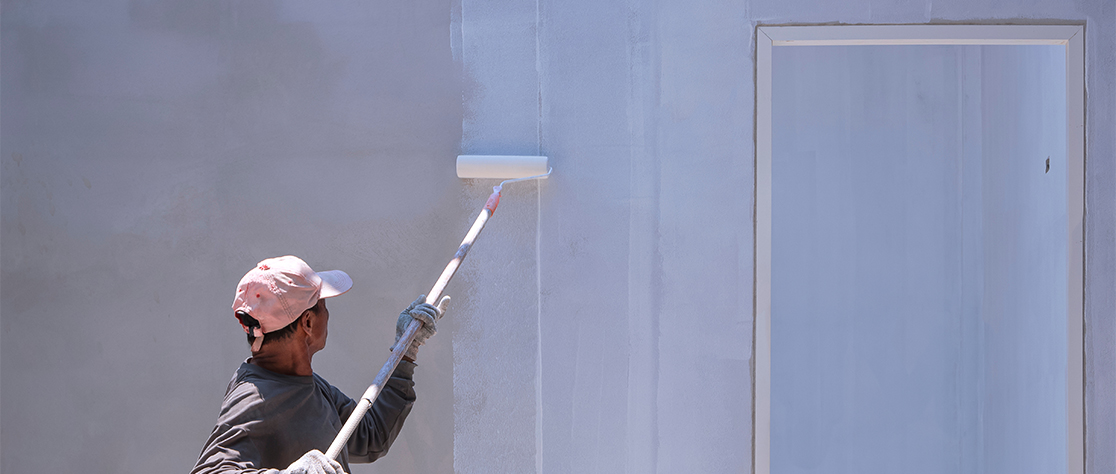
Primer is a preparatory coating used as part of many painting systems. The correct primer helps prepare the substrate for the next layer, but its suitability depends on the wall material, existing surface condition, and type of paint being applied.
What Is Wall Primer?
Wall primer is a coating applied before the finishing paint when recommended by the product system. It helps create a suitable base for the topcoat and can improve adhesion or reduce uneven absorption on compatible surfaces.
Primer is not the same as putty. Putty is generally used to smooth appropriate surface irregularities, while primer prepares the surface for painting. Depending on the condition of the wall, both products may be required at different stages.
Why Is Primer Important?
1. Supports Paint Adhesion
A suitable primer helps the finishing coat bond to the prepared substrate. This is particularly important on new plaster and other surfaces where the paint system specifies priming.
2. Helps Create a More Uniform Finish
Porous areas can absorb paint differently, resulting in an uneven appearance. An appropriate primer helps regulate absorption and provides a more consistent base.
3. Supports the Overall Coating System
Primer forms one part of a complete system that may include surface repairs, putty, primer, and finishing paint. Following the recommended sequence helps each layer perform its intended role.
4. Can Help Improve Finish Consistency
Differences between repaired areas and the surrounding wall may become more noticeable after painting. Correct preparation and priming can help reduce variations in appearance.
5. Helps Address Specific Surface Requirements
Some primers are formulated for particular substrates or conditions. For example, certain products are intended for metal, while specialised waterproofing primers may be designed to help manage surface porosity and support the specified waterproofing system.
A primer should not be assumed to solve active leaks, structural cracks, or persistent dampness unless the underlying problem has been properly assessed and the complete system is suitable.
Types of Primers and Their Uses
Interior Wall Primer
Interior primers are intended for suitable indoor wall surfaces. They are commonly considered when preparing new plaster or previously painted walls that require a fresh coating system.
Exterior Wall Primer
Exterior primers are selected for compatible outdoor substrates and the requirements of the exterior topcoat. Weather exposure makes it especially important to follow the recommended exterior painting system.
Combined Interior and Exterior Primer
Some products are designed for use in both interior and exterior applications. Their suitability depends on the specific surface, topcoat, and manufacturer instructions.
Metal Primer
Metal surfaces usually require a compatible primer designed for the metal type and intended finish. Rust removal and surface preparation are essential before applying the coating system.
Waterproofing Primer
Specialised waterproofing primers may be used as part of a specified moisture-management or waterproofing system. They should not be treated as a universal replacement for correcting water entry or structural defects.
The JKMaxx Paints primer category lists products such as Primera Interior Wall Primer, Primera Exterior Wall Primer, Primera 2 in 1 Interior and Exterior Wall Primer, Primera Active variants, Red Oxide Primer, and White Primer ST. Check individual product specifications to confirm the intended application.
How to Choose the Right Paint Primer for Walls
Before purchasing a primer, answer these questions:
Is the wall indoors or outdoors? Select a product suitable for the location.
What is the substrate? Cement plaster, concrete, metal, and other surfaces may require different primers.
Is the wall new or previously painted? Preparation and product selection can differ.
What topcoat will be applied? The primer should be compatible with the finishing paint.
Are there signs of dampness or peeling? Identify and address the cause before proceeding.
What are the application requirements? Check dilution, coverage, drying time, and recommended coats.
Step-by-Step Wall Preparation and Primer Application
Step 1: Inspect the Wall
Look for cracks, loose paint, powdery surfaces, damp patches, and damaged plaster. Determine whether repairs or additional treatment are required.
Step 2: Clean the Surface
Remove dust, grease, loose material, and flaking paint using an appropriate cleaning method. Allow the wall to dry as required.
Step 3: Repair and Smooth
Repair suitable surface defects and use wall putty where appropriate. Allow the repair material to dry before sanding or proceeding to the next stage.
Step 4: Apply the Primer
Use the recommended primer and follow the product instructions for preparation, dilution, tools, coverage, and drying time.
Step 5: Apply the Finishing Paint
Once the primer has dried as instructed, apply the compatible topcoat according to the specified application process.
Common Primer Application Mistakes
Avoid applying primer over loose paint, dirt, or a damp surface. Do not use a product intended for one substrate on another without checking compatibility. Applying additional coats without following the manufacturer's instructions can also affect the final result.
Frequently Asked Questions
Is primer always necessary before painting?
Not every repainting project requires the same preparation. Primer is necessary when the selected paint system or the condition of the substrate calls for it. Follow the manufacturer's recommendations.
Can primer replace wall putty?
No. Primer and putty perform different functions. Putty helps smooth suitable surface irregularities, while primer prepares the substrate for the finishing coat.
How long should primer dry before painting?
Drying time varies by product, temperature, humidity, ventilation, and substrate. Follow the instructions on the specific product rather than assuming a universal waiting period.
Conclusion
Primer is an important part of many wall painting systems because it prepares the substrate and supports the performance of the finishing coat. Correct surface preparation, product compatibility, and appropriate drying time all contribute to a consistent result. Choosing the right paint primer for walls starts with understanding the surface and following the recommended application sequence.